Gardening Tools
Best Garden Tractors in 2026: A Real Homeowner’s Buying Guide

When we bought our current house, the backyard came with just under two acres of grass, a few stubborn slopes, and absolutely no equipment capable of handling it. I spent an entire first summer pushing a standard walk-behind mower across that yard, and by the time I finished one pass, it was practically time to start the next one. My husband finally put his foot down and said we needed a real garden tractor, and honestly, it was one of the best purchases we’ve made for this property.
Since then, I’ve researched, test-driven, and eventually owned two different garden tractors, plus talked to more neighbors and equipment dealers about this topic than I ever expected to. So here’s my honest, hands-on breakdown of the best garden tractors on the market right now, what actually separates a good one from an overpriced disappointment, and how to figure out exactly what size and type your property really needs.
Garden Tractor vs. Riding Mower vs. Lawn Tractor: Know the Difference
This is where a lot of first-time buyers get confused, and it’s an easy mistake to make since these terms get used loosely, even by some retailers. Understanding the real distinction will save you from buying underpowered equipment for a job it was never designed to handle.
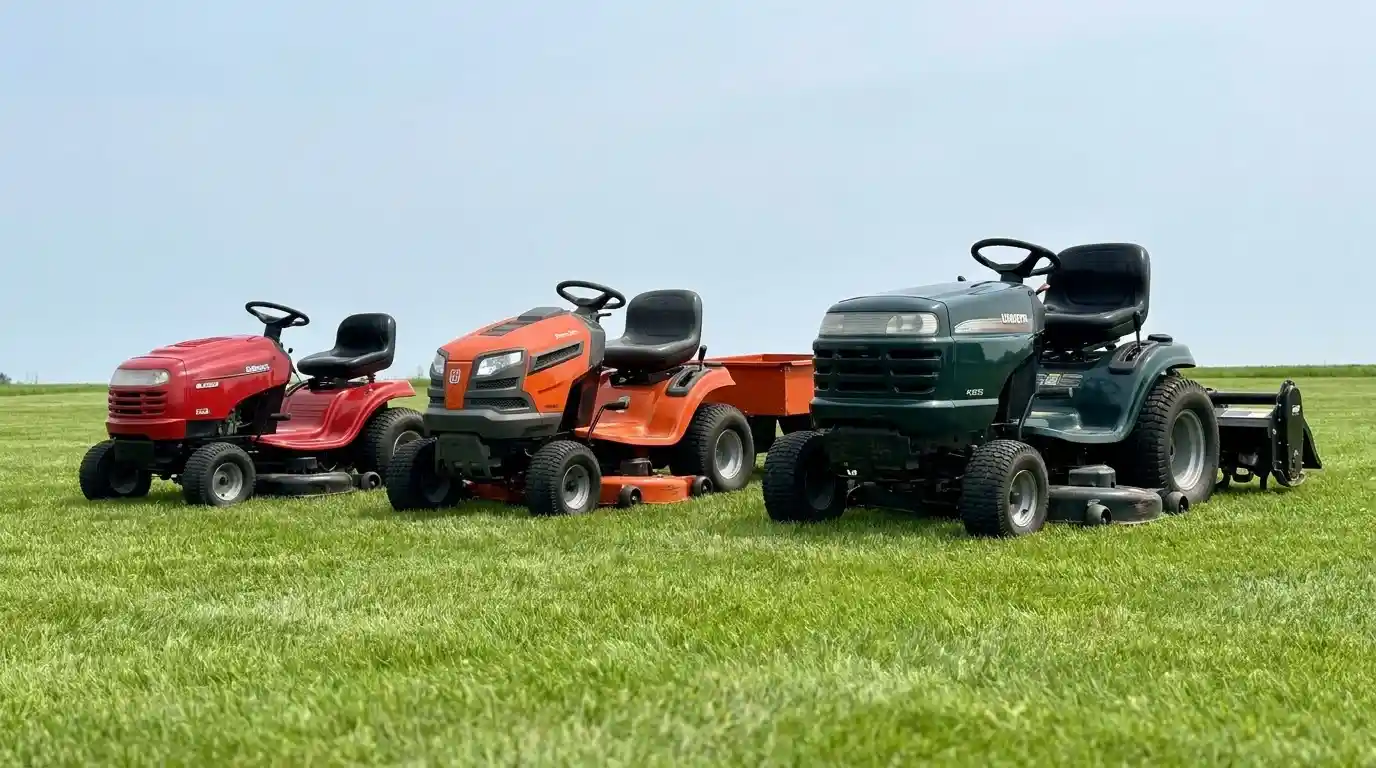
- Riding mowers — built purely for cutting grass efficiently on relatively flat, small to mid-size lawns
- Lawn tractors — slightly more powerful than riding mowers, with limited attachment compatibility for light towing or bagging
- Garden tractors — heavier-duty frames, higher horsepower engines, and true attachment compatibility for tilling, plowing, hauling, and grading
- Sub-compact utility tractors — the step above garden tractors, meant for serious acreage work like brush hogging or grading driveways
If your needs go beyond just cutting grass — think tilling a garden bed, hauling mulch, plowing snow, or grading uneven ground — a true garden tractor is what you actually want, not a lawn tractor dressed up with a bigger sticker price.
What Actually Makes a Garden Tractor Worth Buying
Before getting into specific categories, here’s what separates a garden tractor built to last from one that’ll disappoint you within a couple of seasons.
- Engine horsepower — anything under 18 horsepower struggles with attachments like tillers or plows
- Frame construction — full steel frames handle attachment stress far better than lightweight composite decks
- Transmission type — hydrostatic transmissions offer smoother, more precise control than manual gear-shift models
- PTO (power take-off) compatibility — essential if you plan to run tillers, snow blowers, or other powered attachments
- Turning radius — tighter turning radius matters enormously on properties with trees, beds, or tight corners
- Attachment ecosystem — brands with a wide range of compatible attachments give you more long-term flexibility
Horsepower is the number most buyers fixate on, and for good reason, but it’s not the only thing that matters. I made the mistake early on of assuming a higher horsepower engine alone would handle our sloped section of yard safely.
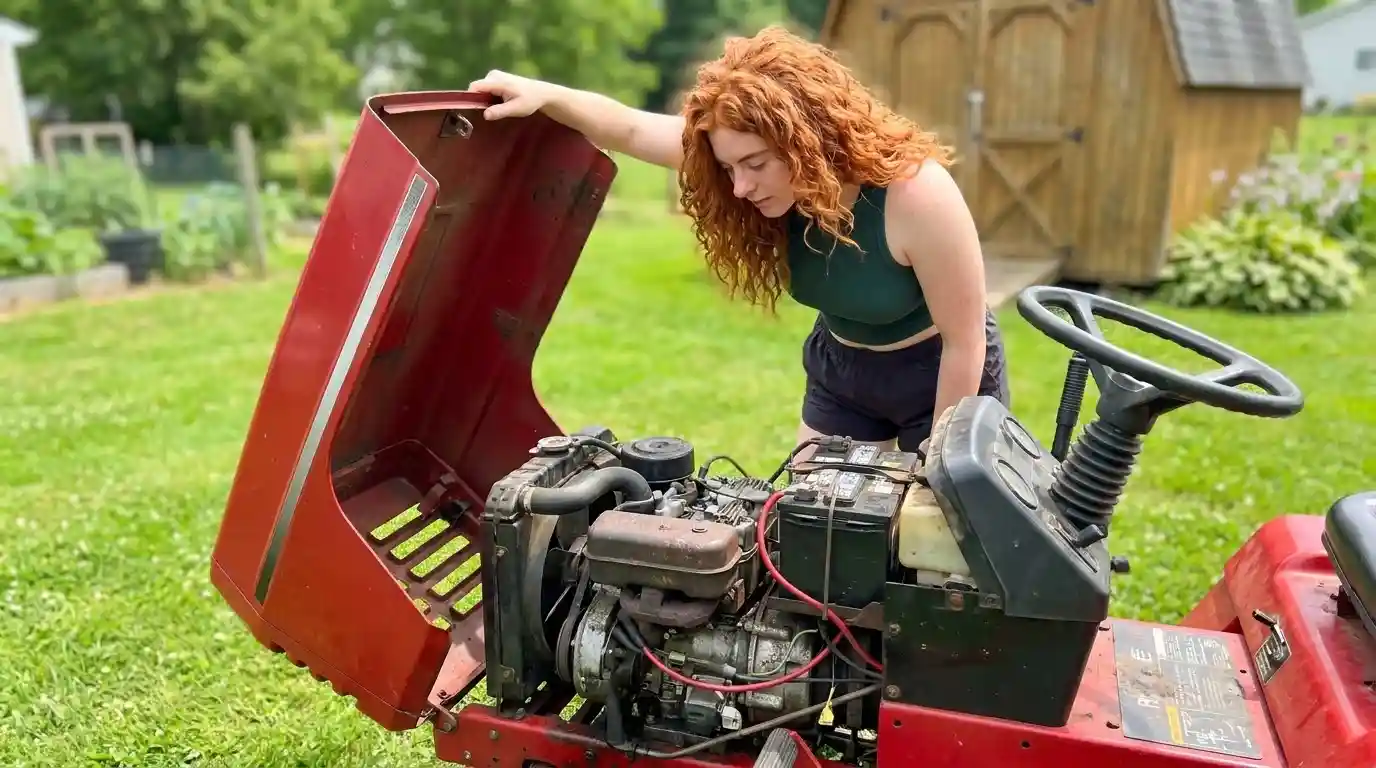
It wasn’t until I looked into frame construction and tire tread design that I realized stability on slopes has just as much to do with weight distribution and tire grip as it does with raw engine power.
Top Garden Tractor Types Compared
Here’s a side-by-side breakdown of the main garden tractor categories you’ll come across while shopping, along with realistic expectations for power, best use cases, and cost.
| Tractor Type | Best For | Typical Horsepower | Attachment Support | Price Range |
|---|---|---|---|---|
| Entry-level garden tractors | 1–3 acre properties, light attachment use | 18–22 HP | Moderate | $2,500–$4,500 |
| Mid-range garden tractors | 3–5 acre properties, regular attachment use | 22–26 HP | Extensive | $4,500–$7,500 |
| Heavy-duty garden tractors | 5+ acre properties, frequent tilling/plowing | 26–30+ HP | Very extensive | $7,500–$12,000 |
| Compact garden tractors | Smaller lots needing occasional attachment use | 15–18 HP | Limited to moderate | $1,800–$3,200 |
| Zero-turn hybrid tractors | Fast mowing with occasional towing needs | 22–28 HP | Moderate | $3,500–$8,000 |
1. Entry-Level Garden Tractors
This is a solid starting point for most homeowners with one to three acres who want real attachment capability without paying for more power than they’ll actually use. These typically handle a light tiller, a small utility cart, or an occasional snow blade without much strain, though they’ll start to feel underpowered if you regularly run heavier attachments or work in tough, compacted soil.
Our first garden tractor fell into this category, and it handled our two acres comfortably for about four years before we eventually upsized once we added a larger vegetable garden that needed more frequent tilling.
2. Mid-Range Garden Tractors
For properties between three and five acres, or anyone running attachments regularly rather than occasionally, mid-range garden tractors offer noticeably more staying power. The jump in horsepower makes a real difference when running a tiller through denser soil or towing a loaded utility cart up an incline, both situations where our entry-level model started to struggle.
3. Heavy-Duty Garden Tractors
These are built for serious, frequent equipment use — think regular tilling, snow plowing, grading, or hauling heavy loads across larger properties.
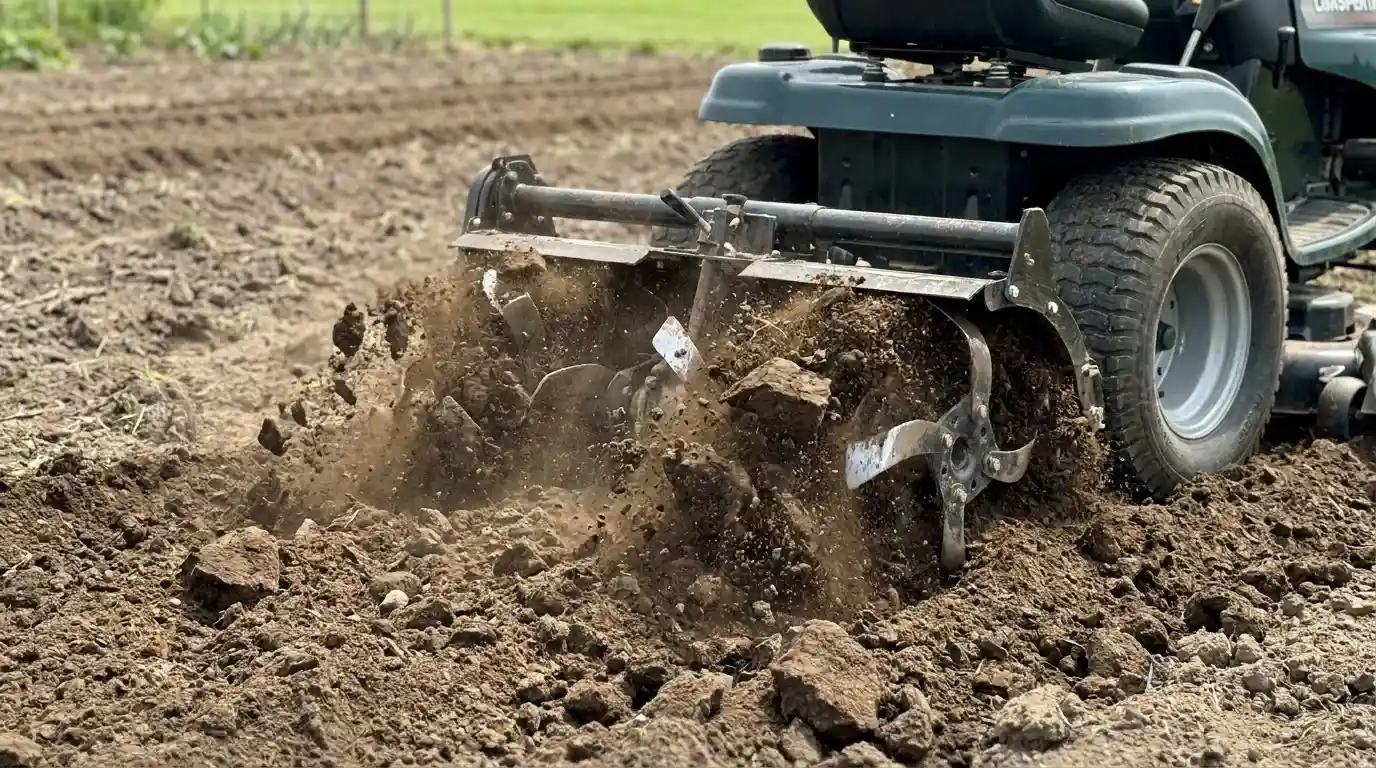
The higher horsepower and reinforced frame construction handle stress that would wear down a lighter-duty model within a season or two. The tradeoff is obviously price, along with a wider turning radius that can be less convenient on properties with tight landscaping.
4. Compact Garden Tractors
For smaller lots that still need occasional attachment capability, like light tilling for a vegetable garden or towing a small utility cart, compact garden tractors offer a middle ground between a basic riding mower and a full-power garden tractor. They’re also easier to maneuver around tighter landscaping, sheds, and garden beds than their larger counterparts.
5. Zero-Turn Hybrid Tractors
These have gained popularity for homeowners who prioritize mowing speed and maneuverability but still want occasional towing capability. Zero-turn models cut mowing time significantly compared to traditional garden tractors thanks to their tight turning radius, though their attachment ecosystem tends to be more limited than dedicated garden tractor lines.
A Lesson Straight From the Lawn Care Classics
David R. Mellor’s book The Lawn Bible makes a point that stuck with me long after I first read it, even though his focus is mainly on lawn health rather than equipment — he emphasizes that consistent, properly timed mowing patterns do more for long-term lawn health than almost any other single maintenance factor. That principle applies directly to choosing the right garden tractor, since a machine that’s underpowered or poorly suited to your terrain leads to inconsistent cutting height and missed passes, both of which stress grass over time in ways that show up as thinning or bare patches months later.
Since upgrading to a properly sized garden tractor for our property, I’ve noticed our lawn holds a far more even, healthy cut than it ever did with equipment that was straining to keep up with our slopes and acreage.
How to Choose the Right Garden Tractor for Your Property
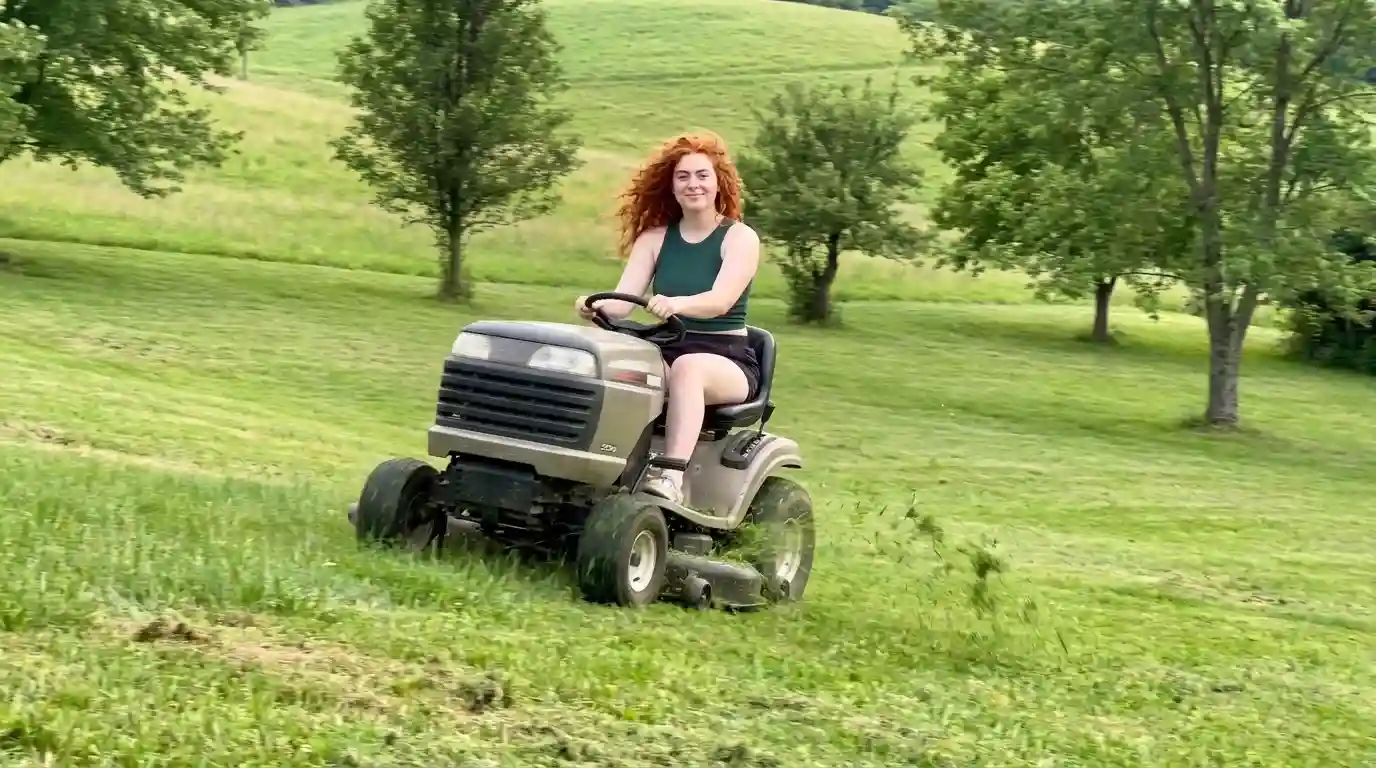
- 1–3 acres, light attachment needs → entry-level garden tractor
- 3–5 acres, regular tilling or towing → mid-range garden tractor
- 5+ acres, heavy or frequent equipment use → heavy-duty garden tractor
- Smaller lots needing occasional attachment use → compact garden tractor
- Priority on fast mowing with light towing needs → zero-turn hybrid tractor
Common Mistakes First-Time Buyers Make
- Buying based on horsepower alone without considering frame construction or tire grip
- Underestimating attachment needs, then discovering the model can’t support what they actually want to do
- Ignoring turning radius, which becomes a daily frustration on properties with tight landscaping
- Skipping a test drive on similar terrain to their own property before purchasing
- Not checking local dealer support and parts availability for the specific brand
- Overlooking maintenance costs and service intervals when comparing overall price
- Choosing a tractor sized for current needs without considering future property changes
Maintenance Tips to Keep Your Garden Tractor Running for Years
Regardless of which model you choose, a consistent maintenance routine makes an enormous difference in how long your garden tractor lasts. Changing the oil at manufacturer-recommended intervals, keeping the air filter clean, and sharpening or replacing mower blades regularly all prevent the kind of gradual engine strain that shortens a tractor’s working life significantly.
I also make a point of checking tire pressure seasonally, since underinflated tires not only affect cutting quality but also reduce stability on our sloped sections of yard. Storing the tractor in a dry, covered space during winter months, along with running the fuel system dry or using a stabilizer before long-term storage, has kept both of our tractors running reliably season after season without unexpected repair costs.
Final Thoughts
Choosing the best garden tractor really comes down to being honest about your property size, your actual attachment needs, and how much terrain challenge you’re working with, rather than simply buying the biggest or most expensive model available. An entry-level tractor handles smaller properties beautifully, while heavier acreage with frequent tilling or plowing needs genuinely benefits from stepping up to a mid-range or heavy-duty model.
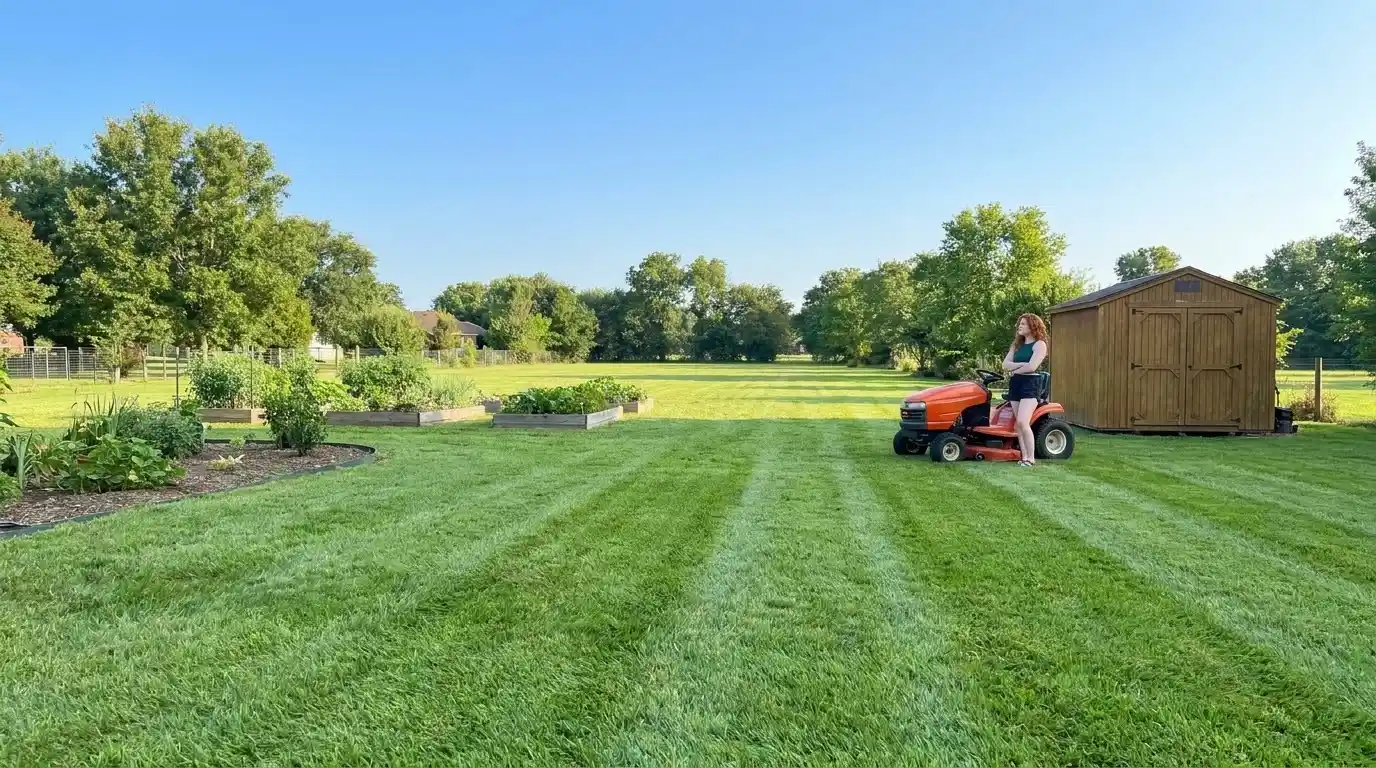
If you’re on the fence the way I was that first exhausting summer, don’t underestimate how much a properly matched garden tractor changes your relationship with yard work entirely. What used to take me an entire afternoon of pushing a mower now takes under an hour, and I actually enjoy the process instead of dreading it.
Jenna Whitfield is a home gardener based in Austin, Texas, writing about practical, tested gardening and lawn equipment solutions for backyard growers across the U.S.

 Gardening Tools4 months ago
Best Raised Garden Bed Kits in 2026: A Real Gardener’s Buying Guide
- Lawn care4 months ago
Best Lawn Fertilizer for Weeds in 2026: A Homeowner’s Honest Guide
- Hydroponics3 months ago
Best Hydroponic Nutrients for Vegetables in 2026: A Grower’s Honest Guide
- Gardening Tools3 months ago
Best Greenhouse Kits for Beginners in 2026: A Real Gardener’s Guide