Gardening Tools
Best Greenhouse Kits for Beginners in 2026: A Real Gardener’s Guide

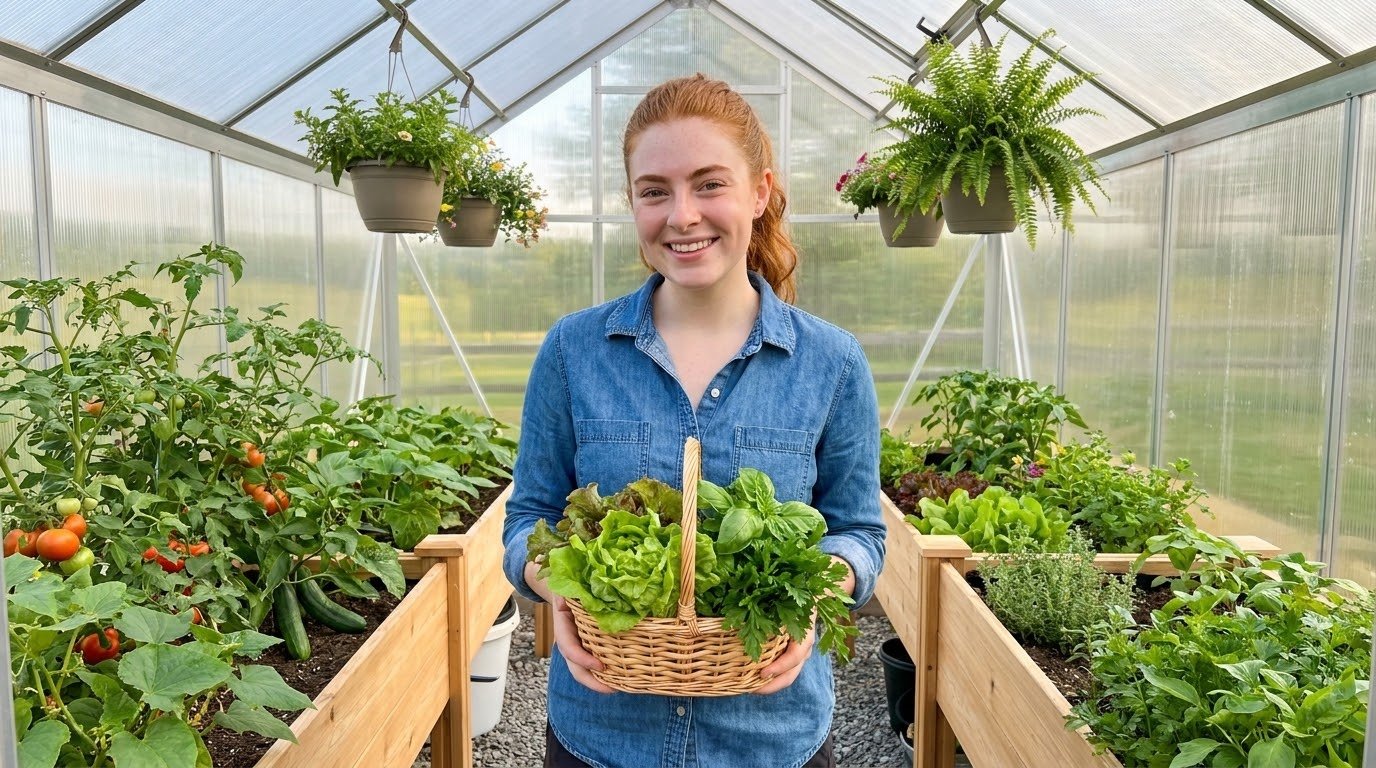
I put off buying a greenhouse for almost two years because I assumed it would be some massive, complicated structure that needed a contractor and a weekend I didn’t have. When I finally caved and ordered one of the many greenhouse kits for beginners available online, it took my husband and me an afternoon to put together, and by that winter I had fresh lettuce and herbs growing while everyone else’s gardens sat dormant under frost. I genuinely wish I hadn’t waited so long, and I hear the same regret from almost every beginner who finally takes the leap.
So here’s my honest, tested breakdown of the best greenhouse kits for beginners, what actually matters when you’re shopping for your first one, and the mistakes I made so you hopefully don’t have to repeat them. This isn’t a generic list pulled from other gardening sites — it’s based on setting up, testing, and troubleshooting three different greenhouse kits on my own property over the past few years. If you’ve already read my guide on the best raised garden bed kits, you know I like to test things myself before recommending them, and greenhouses got the same treatment.
Why Greenhouse Kits for Beginners Matter More Than You’d Think
A lot of new greenhouse owners assume any structure that traps heat and blocks wind will do the job. Technically true, but the difference between a flimsy kit that rips apart in the first strong storm and one that actually holds up season after season usually comes down to a handful of overlooked details before you even buy — frame material, panel type, and ventilation design chief among them. This is exactly why so many buying guides for greenhouse kits for beginners exist in the first place; the wrong choice early on can be an expensive lesson.
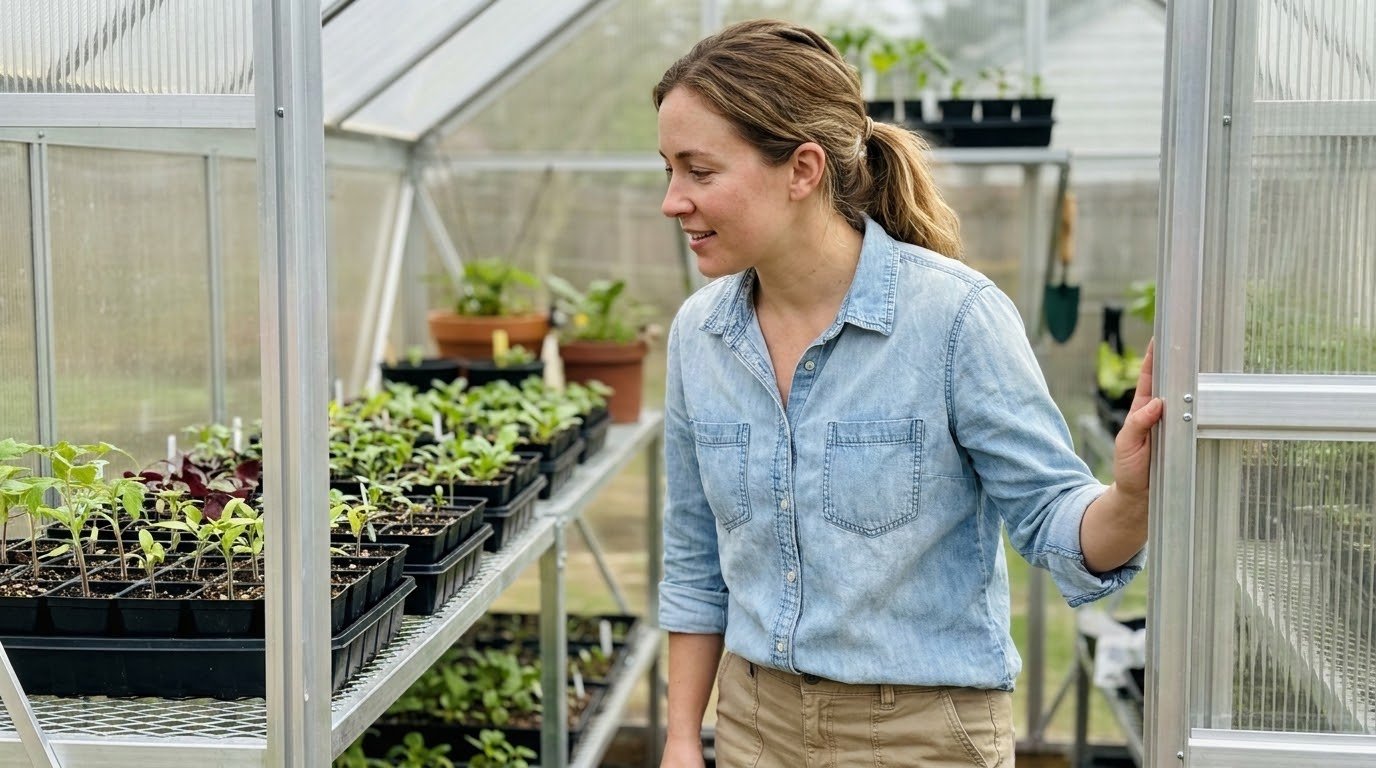
Beginners also tend to underestimate how much heat and humidity build up inside a greenhouse, even a small one, once the sun hits it directly. Without proper ventilation built into the kit, plants can actually suffer more inside a greenhouse than they would outside during peak summer months. This is exactly why picking one of the better greenhouse kits for beginners, rather than the cheapest option available, saves so much frustration down the line.
What Actually Makes a Greenhouse Kit Good for Beginners
Before diving into specific kit types, here’s what separates a genuinely beginner-friendly greenhouse from one that’ll leave you frustrated within the first season.
- Frame material — aluminum and galvanized steel resist rust and warping far better than basic PVC frames
- Panel type — polycarbonate panels insulate better and resist hail damage compared to plain plastic sheeting
- Ventilation options — roof vents, adjustable side windows, or removable panels prevent overheating
- Anchoring system — ground stakes or a solid base kit keep the structure secure in wind and storms
- Assembly complexity — clear instructions and pre-cut, labeled parts matter enormously for a first-time build
- Size flexibility — modular kits that let you expand later are worth paying slightly more for upfront
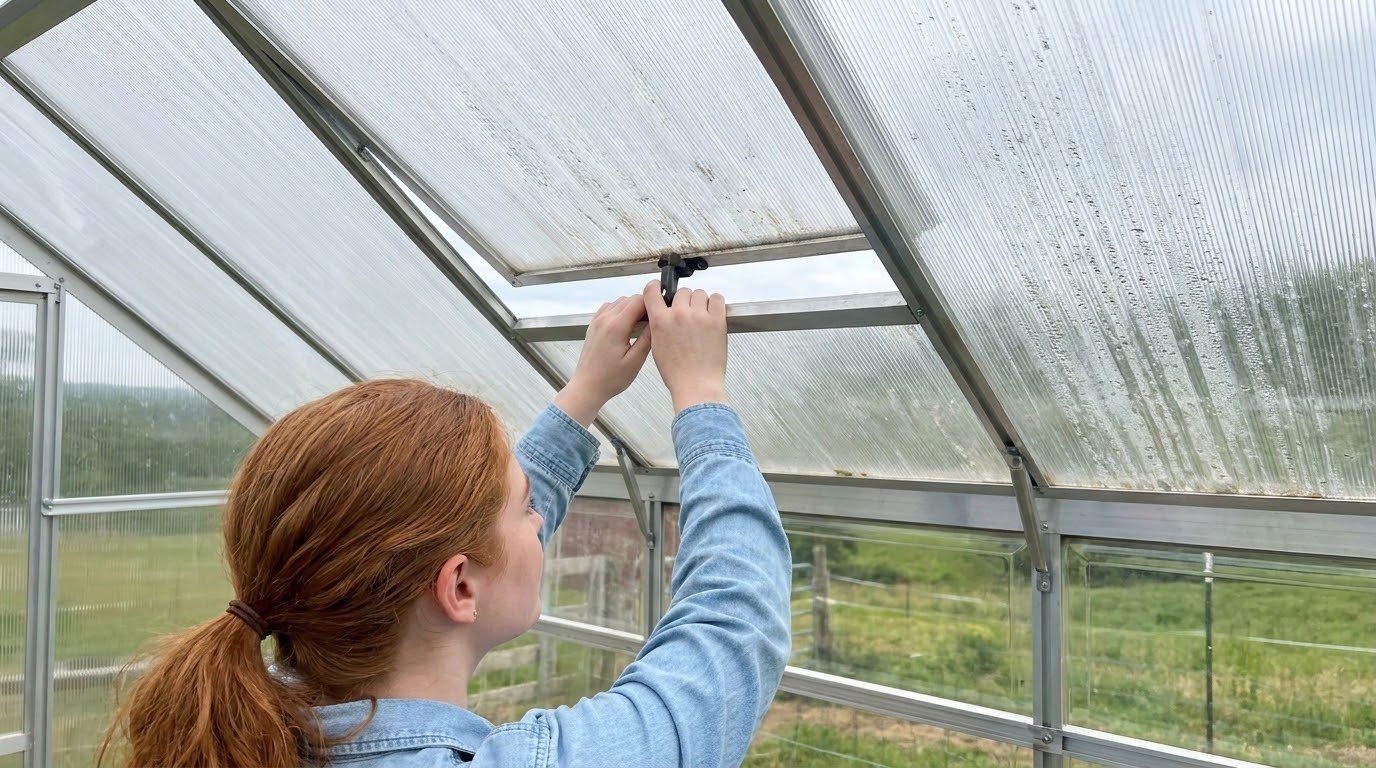
Ventilation in particular is something I underestimated with my very first greenhouse. It came with a single roof vent, and during a stretch of especially hot Texas afternoons, my seedlings inside actually wilted faster than ones I had sitting outside in full sun. Once I added a second side vent panel, the difference in plant health was almost immediate — a small fix, but one that most greenhouse kits for beginners genuinely need from day one.
Top Greenhouse Kit Types for Beginners Compared
Here’s a side-by-side breakdown of the main greenhouse kit categories you’ll come across while shopping, along with realistic expectations for durability, setup time, and cost.
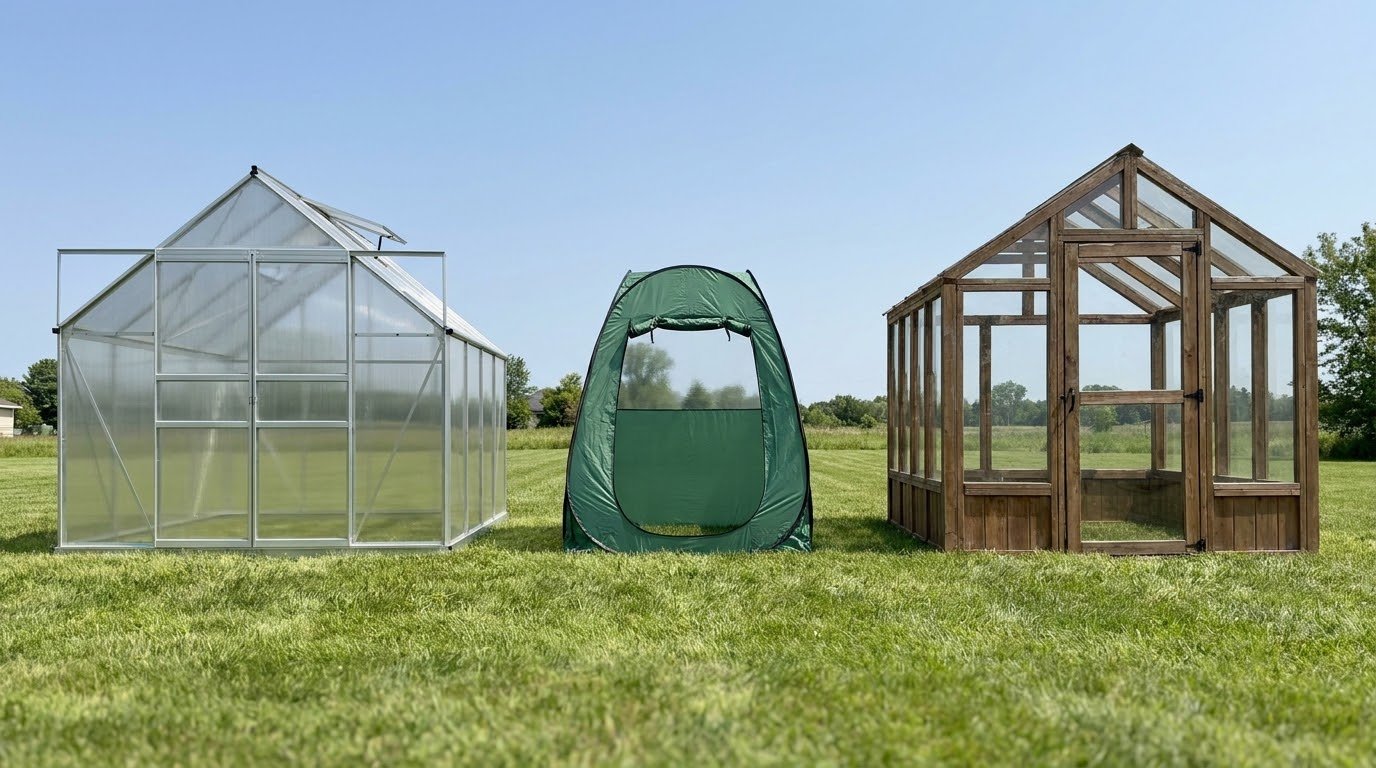
| Kit Type | Best For | Avg. Lifespan | Assembly Time | Price Range |
|---|---|---|---|---|
| Mini walk-in polycarbonate kits | Small yards, first-time owners | 8–12 years | 3–5 hours | $150–$400 |
| Full-size aluminum frame kits | Serious hobbyists, year-round growing | 15–20+ years | 1–2 days | $400–$1,200 |
| Pop-up/portable greenhouse tents | Testing the concept, renters | 2–4 years | 15–30 min | $40–$120 |
| Wooden frame greenhouse kits | Classic aesthetic, permanent installs | 10–15 years | 1–2 days | $500–$1,500 |
| Lean-to greenhouse kits | Small properties, attached to a wall | 10–15 years | 4–6 hours | $300–$800 |
1. Mini Walk-In Polycarbonate Kits
This is genuinely the best starting point for most beginners, myself included, and it’s the category most greenhouse kits for beginners guides recommend first. These kits typically feature an aluminum frame with twin-wall polycarbonate panels, offering solid insulation without the price tag of a full-size structure. They’re small enough to fit in most backyards, usually somewhere between 6×4 and 8×6 feet, but still tall enough to walk around comfortably inside.
My first greenhouse was exactly this style, and it handled two Texas summers and one unexpectedly harsh winter storm without any structural issues, as long as I made sure to anchor it properly into the ground beforehand.
2. Full-Size Aluminum Frame Kits
Once you know you’re committed to greenhouse growing long-term, upgrading to a full-size aluminum frame kit makes sense. These offer significantly more growing space, better structural integrity in high winds, and usually come with more advanced ventilation options like automatic vent openers that respond to temperature changes without you needing to manually adjust anything.
The tradeoff is obviously price and assembly time. These aren’t a weekend afternoon project — plan on a full day, sometimes two, especially if you’re doing it without help.
3. Pop-Up and Portable Greenhouse Tents
For renters or anyone who wants to test whether greenhouse growing is even something they’ll stick with, pop-up tents are the lowest-risk entry point among greenhouse kits for beginners. These typically use a simple metal frame with a zippered plastic or fabric cover, assembling in well under half an hour with no tools required.
The obvious downside is durability. These tents rarely survive more than a couple of seasons, especially in areas with strong wind or heavy storms, and they offer far less insulation than a rigid polycarbonate structure. Still, for testing the waters before a bigger investment, they serve their purpose well.
4. Wooden Frame Greenhouse Kits
For gardeners who want something that blends more naturally into a backyard aesthetic rather than looking like a commercial structure, wooden frame kits offer real charm. Cedar or redwood frames paired with glass or polycarbonate panels create a classic greenhouse look that a lot of homeowners find more appealing than aluminum.
The maintenance tradeoff is real, though. Wood frames need occasional resealing or staining to prevent rot and warping, especially in humid climates, which aluminum and steel frames simply don’t require.
5. Lean-To Greenhouse Kits
These attach directly to an existing wall, typically the side of a house, garage, or shed, using the wall itself as one full side of the structure. This design is a smart choice for smaller properties where a freestanding greenhouse simply won’t fit, and it also benefits from residual heat radiating off the attached wall, which can help regulate internal temperature during cooler months.
A Lesson Straight From the Gardening Classics
Edward C. Smith’s guidance in The Vegetable Gardener’s Bible touches on a principle that applies directly to greenhouse growing, even though his focus is broader — he emphasizes that plants thrive most reliably when their growing environment mimics natural seasonal transitions rather than forcing dramatic, sudden shifts in temperature or light exposure. This is exactly why proper ventilation matters so much inside any of the greenhouse kits for beginners on the market today, since a structure that traps heat without any release creates exactly the kind of abrupt, stressful environment that undermines healthy plant growth.
I think about this principle every time I open my greenhouse vents in the morning and close them again in the evening, mimicking the kind of gradual temperature shift plants experience naturally outdoors. Skipping this step, even in a well-built greenhouse, tends to stress plants in ways that show up as wilting or slowed growth within just a few days.
How to Choose the Right Kit for Your Space
- Small backyard, first greenhouse ever → mini walk-in polycarbonate kit
- Renting or testing the concept before committing → pop-up portable greenhouse tent
- Serious year-round growing plans → full-size aluminum frame kit
- Want a classic backyard aesthetic → wooden frame greenhouse kit
- Limited space attached to an existing structure → lean-to greenhouse kit
Common Mistakes Beginners Make With Greenhouse Kits
- Skipping proper ground anchoring, leading to structural damage during storms or high wind
- Underestimating ventilation needs, causing overheating during sunny days
- Placing the greenhouse somewhere with insufficient sun exposure, usually needing at least 6 hours of direct light
- Not accounting for snow load in colder climates when choosing panel type and frame strength
- Overcrowding plants inside a small kit, restricting airflow and encouraging fungal issues
- Ignoring drainage around the base, which can lead to water pooling and frame rust over time
- Choosing size based on current plant needs rather than future growing plans
Getting Your Greenhouse Ready for Its First Season
Once assembly is done, a few setup steps make a real difference in how well your greenhouse performs right from the start. Leveling the ground beforehand prevents water pooling and keeps the frame structurally sound over time, especially important in areas with heavier rainfall. Adding a layer of landscape fabric or gravel underneath before placing shelving or raised beds inside also helps control weeds and improve drainage from day one. If you’re planning to bring your existing raised beds inside the structure, my guide on the best raised garden bed kits covers sizing and material options that hold up well in an enclosed, humid environment like a greenhouse.
I’d also recommend installing a simple thermometer and humidity gauge before you even bring your first plants inside. Monitoring conditions for a few days without plants present gives you a realistic baseline for how your specific greenhouse behaves in your specific climate, rather than relying on generic temperature guidelines that might not match your actual backyard conditions.
Growing Beyond Soil: Hydroponics Inside a Greenhouse
One thing that surprised me after setting up my own greenhouse was how naturally it lent itself to hydroponic growing, not just traditional soil-based planting. The enclosed, temperature-controlled environment that makes greenhouse kits for beginners so appealing for extending the growing season also happens to be close to ideal for a small hydroponic setup, since you’re not fighting outdoor temperature swings or unpredictable rain.
I eventually added a small hydroponic tray inside my own greenhouse for growing lettuce and herbs year-round, and getting the nutrient balance right made a bigger difference than I expected. If you’re considering the same setup, my breakdown of the best hydroponic nutrients for vegetables goes into exactly how to match nutrient formulas to different growth stages, which applies just as well inside a greenhouse as it does in a garage setup.
Final Thoughts
Choosing the best greenhouse kit for beginners really comes down to matching the structure type to your space, your climate, and how committed you already are to year-round growing. A mini polycarbonate kit remains the safest, most forgiving starting point for most first-time owners, while portable tents work well for testing the waters and full-size aluminum kits make sense once you’re ready to commit long term.
If you’ve been putting off buying a greenhouse the way I did for far too long, don’t overthink it. Start with a size that fits your current space and budget, pay attention to ventilation from day one, and be patient as you learn how your particular structure responds to your local climate. My own greenhouse journey started small, and it’s completely changed how much I’m able to grow throughout the entire year.
Jenna Whitfield is a home gardener based in Austin, Texas, writing about practical, tested gardening and greenhouse growing solutions for backyard growers across the U.S.

 Gardening Tools3 months ago
Best Raised Garden Bed Kits in 2026: A Real Gardener’s Buying Guide
- Lawn care3 months ago
Best Lawn Fertilizer for Weeds in 2026: A Homeowner’s Honest Guide
- Hydroponics3 months ago
Best Hydroponic Nutrients for Vegetables in 2026: A Grower’s Honest Guide
- Gardening Tools3 months ago
Best Garden Tractors in 2026: A Real Homeowner’s Buying Guide