Gardening Tools
Best Raised Garden Bed Kits in 2026: A Real Gardener’s Buying Guide

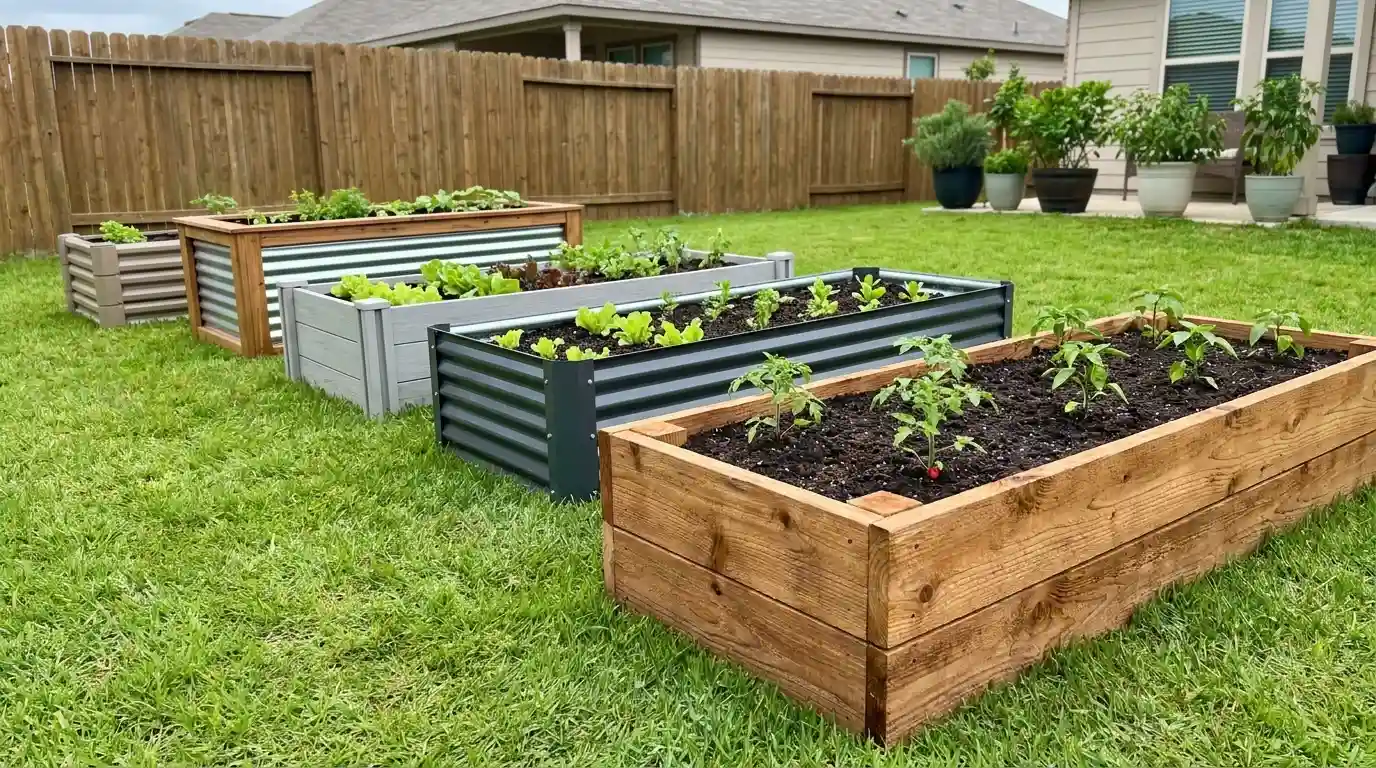
I still remember the first raised bed I ever put together — a cedar kit I ordered on a whim after my tomatoes failed for the third summer in a row in our clay-heavy Texas soil. It took me an afternoon, two skinned knuckles, and a lot of muttering to get it level in my backyard.
But that fall, I harvested more peppers and squash from that one 4×8 bed than I had from three years of in-ground planting combined. Since then, I’ve built, tested, and killed more raised beds than I care to admit, and people constantly ask me which kits are actually worth the money.
So here’s my honest, no-fluff breakdown of the best raised garden bed kits on the market right now, what makes a kit good versus gimmicky, and how to pick the right one for your yard, your budget, and your soil headaches.
I’m not going to hand you a generic “top 10” list scraped from a dozen other blogs. This comes from actually assembling these things in the Texas heat, watching some warp within a year, and watching others hold up beautifully for a decade.
Why a Raised Bed Kit Beats Building From Scratch (Most of the Time)
Raised bed kits have exploded in popularity over the last few years, and it’s not just marketing hype. A good kit solves three problems at once: soil control, drainage, and back-breaking labor.
If you’ve got compacted clay, sandy soil that drains too fast, or a yard with questionable contamination history, a raised bed lets you start fresh with a soil mix you control completely.

Kits also save you the guesswork of cutting lumber to size, drilling pilot holes, and figuring out corner brackets. Most modern kits snap or bolt together in under an hour, even for someone who’s never touched a drill.
When I built my first bed from raw lumber, it took an entire Saturday and a trip back to the hardware store because I measured wrong. My most recent kit, a galvanized steel model, took twenty-two minutes from box to filled with soil.
There’s also a cost argument that people don’t talk about enough. Lumber prices have been unpredictable for years now, and by the time you buy quality rot-resistant wood, corner brackets, screws, and a weed barrier separately, you’re often spending more than a pre-packaged kit that already accounts for all of it.
Kits are also designed by people who’ve already made the structural mistakes for you — wall bracing, drainage gaps, and joint reinforcement are usually built in from the start.
What Actually Makes a Raised Bed Kit “Good”
Before I list specific products, let’s talk about what separates a kit worth buying from one that’ll warp, rust, or rot within a season. I’ve made the mistake of buying based on looks alone, and I paid for it with a bed that bowed outward by midsummer under the weight of wet soil.
- Material longevity — cedar and galvanized steel outlast pine and thin plastic by years
- Wall height — anything under 11 inches struggles with root vegetables and drainage
- Corner joinery — interlocking or bolted corners hold up better than stapled or glued seams
- Modularity — can you expand it later or connect multiple beds together
- Assembly time — tool-free or minimal-tool designs save real time and frustration
- Wall thickness — thin gauge steel or thin plastic panels tend to bow under wet soil pressure
- Warranty coverage — a manufacturer who backs their product for 10+ years usually built it to last that long
Wall height in particular is something first-time buyers underestimate. A shallow 6-inch bed might look tidy in a photo, but it barely gives lettuce and herbs enough root depth, let alone tomatoes or carrots. I always tell people to think of bed height as an investment in fewer headaches later, not just an aesthetic choice.
Top Best Raised Garden Bed Kits Compared
Here’s a side-by-side look at the main categories of kits you’ll come across while shopping, along with realistic expectations for lifespan, assembly, and cost.
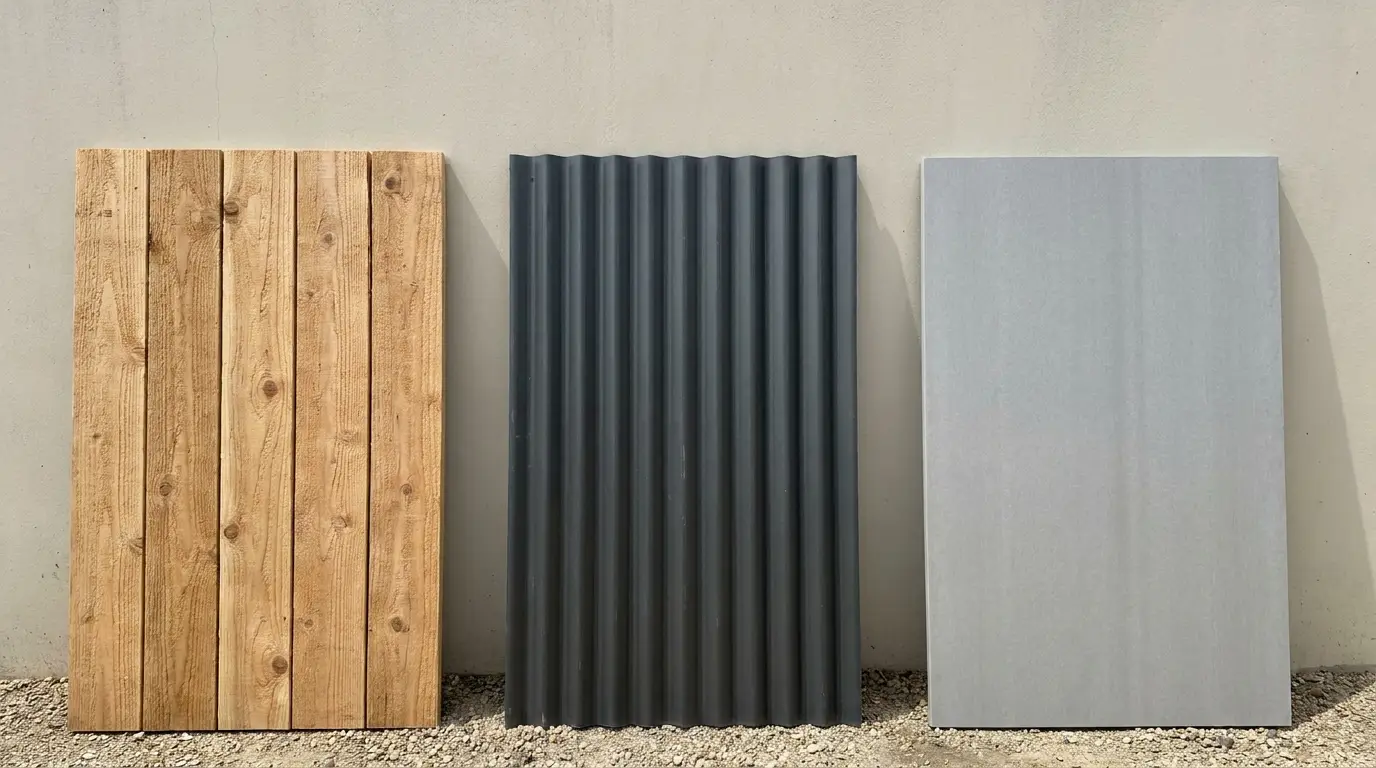
| Kit Type | Best For | Avg. Lifespan | Assembly Time | Price Range |
|---|---|---|---|---|
| Cedar wood kits | Natural look, beginners | 10–15 years | 45–90 min | $80–$250 |
| Galvanized steel kits | Durability, hot climates | 15–20+ years | 20–40 min | $100–$300 |
| Composite/recycled plastic | Low maintenance, no rot | 20+ years | 30–60 min | $90–$280 |
| Corrugated metal + wood hybrid | Modern aesthetic, deep beds | 12–18 years | 40–70 min | $150–$400 |
| Modular stackable kits | Small spaces, patios | 8–12 years | 15–30 min | $40–$150 |
1. Cedar Wood Kits
Cedar remains the gold standard for gardeners who want a natural look without chemical treatments. It naturally resists rot and insects far better than pine, and it ages into a soft silver-gray that a lot of homeowners actually prefer over bright new wood. The tradeoff is price — quality cedar kits cost more upfront, but they’ll outlast three cheaper pine kits.
One thing I’d add from experience: not all cedar is equal. Western red cedar tends to outperform lower grades sold in bargain kits, so if a listing doesn’t specify the cedar type, it’s worth digging into the product description or asking the seller directly. A kit priced suspiciously low for “cedar” is often blended with a cheaper wood or using thin boards that won’t hold their shape for long.
2. Galvanized Steel Kits
These have become hugely popular in the last two years, especially in hot climates like Texas, Arizona, and Florida. Steel doesn’t warp in heat, doesn’t rot, and holds its shape season after season. The one thing to watch for is wall thickness — thin steel can dent, and cheap galvanizing can start to rust at the seams within a couple of years.
I switched two of my beds over to galvanized steel last year mostly because of how brutal our summer heat gets. Wood kits, even good ones, tend to dry out and crack faster under constant Texas sun exposure. Steel just shrugs it off. The only adjustment I had to make was lining the interior walls with a bit of extra mulch insulation, since metal can heat up soil faster near the edges during peak summer.
3. Composite and Recycled Plastic Kits
If you want a truly “set it and forget it” bed, composite kits are worth the investment. No staining, no sealing, no rot, ever. They tend to run a bit more expensive, but for gardeners who’ve already replaced a couple of wooden beds, the math works out in their favor long term.
These are also a solid choice for anyone dealing with termites or wood-boring insects in their region, since there’s simply nothing for pests to chew through. The main downside is weight — composite panels can be heavier to ship and move around than steel or wood, so factor that into where you plan to set the bed up permanently.
4. Corrugated Metal and Wood Frame Hybrids
This style has become popular for a reason beyond looks. The wood frame gives structural rigidity while the corrugated metal panel resists rot and pests, giving you a deeper bed without the wood eventually bowing outward. These tend to be a favorite for gardeners who want a more architectural, modern look in their backyard rather than the classic farmhouse cedar box.
5. Modular Stackable Kits
Perfect for renters, small patios, or anyone testing whether they even enjoy gardening before committing to a big backyard project. These are lightweight, quick to assemble, and easy to disassemble if you move. The tradeoff is depth — most stackable kits max out around 12 inches unless you buy multiple stacking tiers, which adds to the total cost.
A Lesson Straight From the Gardening Classics
One thing I always come back to is Barbara Damrosch’s guidance in The Garden Primer, where she emphasizes that bed width matters just as much as bed material — she recommends keeping beds narrow enough that you never need to step into the growing area, which protects soil structure and keeps roots from compacting. It’s a simple principle, but it’s exactly why most quality kits today are built in 3-to-4-foot widths instead of the wider, harder-to-reach designs from years past.
This lesson stuck with me the hard way. My very first bed was a wide 6-foot design, and I spent an entire season accidentally stepping into the soil to reach the middle rows, compacting it every single time. Once I switched to 4-foot-wide beds, root growth and drainage improved noticeably within one season. If you’re shopping for a kit, keep that rule in mind: width matters more than most buyers realize, and it’s easy to overlook when you’re focused on length or overall square footage.
How to Choose the Right Kit for Your Space
- Small yard or patio → modular stackable or a single 3×3 composite bed
- Full sun backyard in a hot climate → galvanized steel for heat resistance
- Classic garden aesthetic → cedar wood kit
- Low-maintenance, long-term investment → composite or recycled plastic
- Root vegetables like carrots or potatoes → look for kits at least 12–18 inches tall
- Wet or rainy climates → prioritize kits with clear drainage gaps or slotted panels
- Homes with pests like termites → composite or steel over untreated wood
How Much Soil You’ll Actually Need
A detail a lot of first-time buyers overlook is exactly how much soil a kit will require once it’s assembled. This matters because soil isn’t cheap, especially quality raised bed blends with compost and aeration additives mixed in. A standard 4×8 bed at 12 inches tall needs roughly 32 cubic feet of soil, which usually translates to about 8 to 10 bags of bagged garden soil, or a single bulk delivery if you’re filling multiple beds at once.
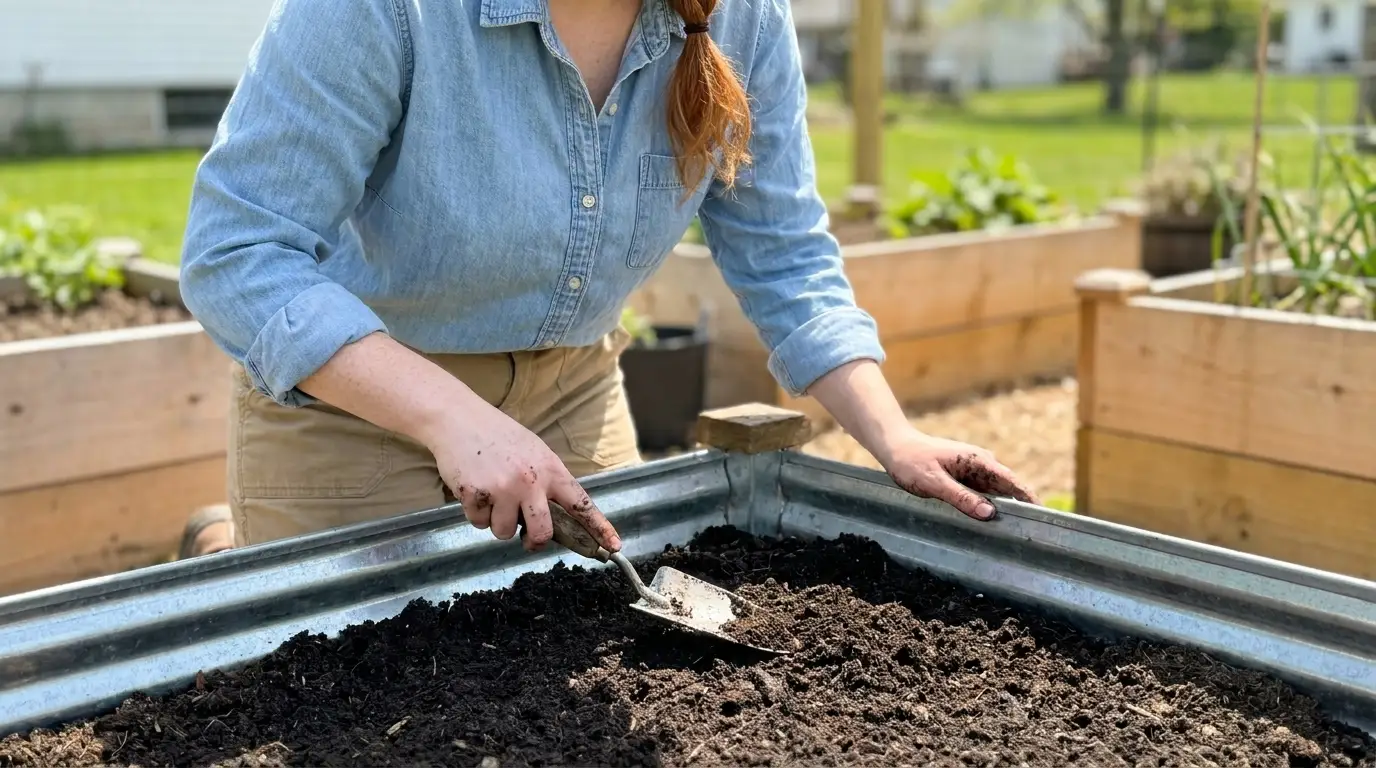
Buying in bulk from a local landscaping supplier is almost always cheaper per cubic foot than bagged soil from a hardware store, especially if you’re filling more than two beds. I made the mistake of bagging it all myself for my first three beds and spent nearly double what I would have with a single bulk delivery.
Common Mistakes First-Time Buyers Make
- Buying a bed that’s too shallow for root crops
- Skipping a weed barrier layer underneath, which leads to grass growing up through the soil
- Placing the bed somewhere that gets less than 6 hours of direct sun
- Overfilling with straight topsoil instead of a proper raised bed soil blend
- Ignoring drainage holes or gaps in cheaper kits, which causes root rot after heavy rain
- Choosing a bed that’s too wide to comfortably reach the center without stepping in
- Not checking wall thickness or gauge before buying, especially with metal kits
Maintenance Tips to Extend the Life of Any Kit
Regardless of which material you choose, a little seasonal maintenance goes a long way. For wood kits, an annual coat of a food-safe sealant on the exterior panels helps slow down weathering, especially in climates with intense sun or heavy rain. For steel kits, checking the corner seams once a year for early rust spots lets you catch and treat small issues before they spread.
Composite kits need the least maintenance overall, but it’s still worth rinsing off soil buildup at the base of the panels at the end of each growing season, since trapped moisture against any surface can eventually cause problems even with rot-resistant materials.
Final Thoughts – Best Raised Garden Bed
A raised garden bed kit is one of those purchases that pays for itself in better harvests and far less fighting with bad soil. Whether you go with a cedar kit for that classic garden look, galvanized steel for durability in tough climates, or a stackable modular set for a small patio, the key is matching the material and size to your actual growing conditions — not just what looks best in a product photo.
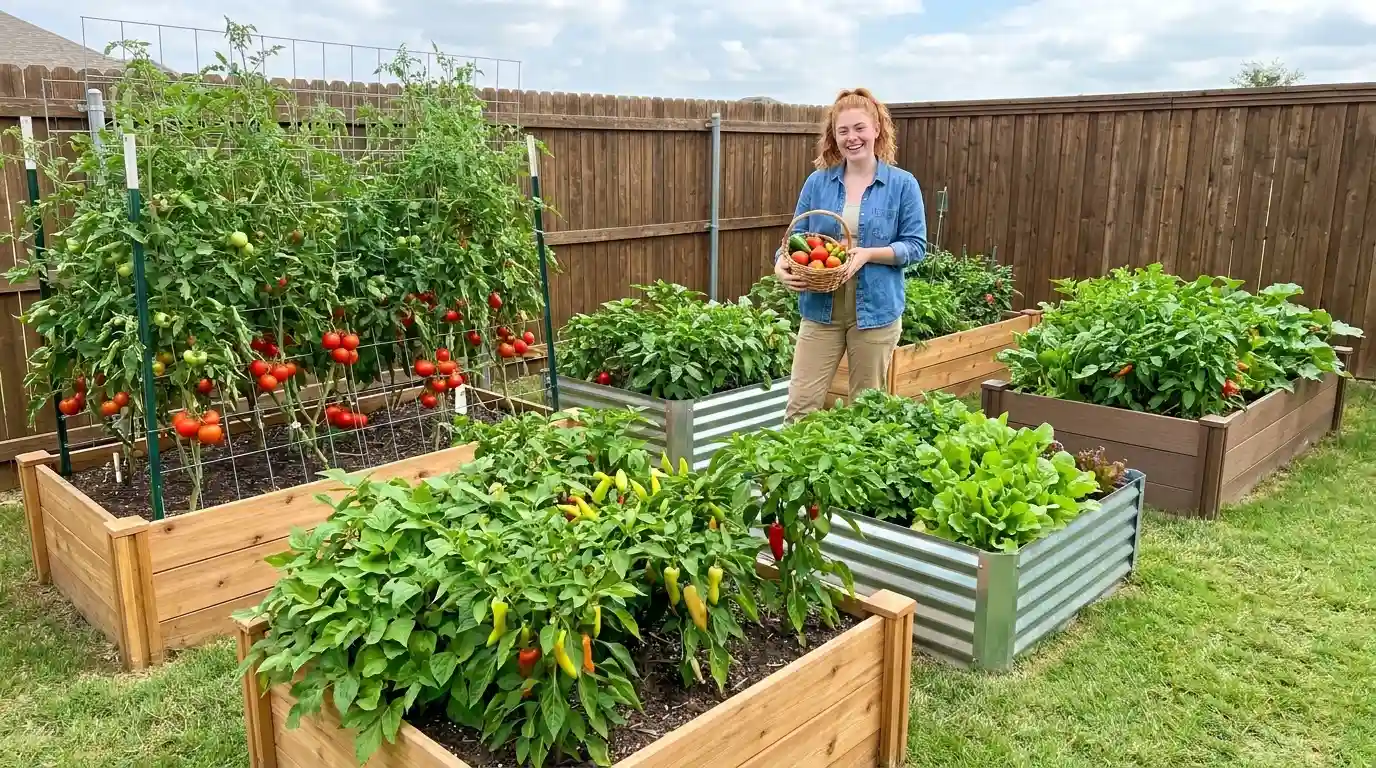
If you’re on the fence, start with one bed before committing to a full backyard overhaul. That’s exactly how I started, and eight raised beds later, I still think that first cedar kit was one of the best gardening decisions I’ve made.
Jenna Whitfield is a home gardener based in Austin, Texas, writing about practical, tested gardening solutions for backyard growers across the U.S.


 Lawn care3 months ago
Best Lawn Fertilizer for Weeds in 2026: A Homeowner’s Honest Guide
- Hydroponics3 months ago
Best Hydroponic Nutrients for Vegetables in 2026: A Grower’s Honest Guide
- Gardening Tools3 months ago
Best Greenhouse Kits for Beginners in 2026: A Real Gardener’s Guide
- Gardening Tools3 months ago
Best Garden Tractors in 2026: A Real Homeowner’s Buying Guide